

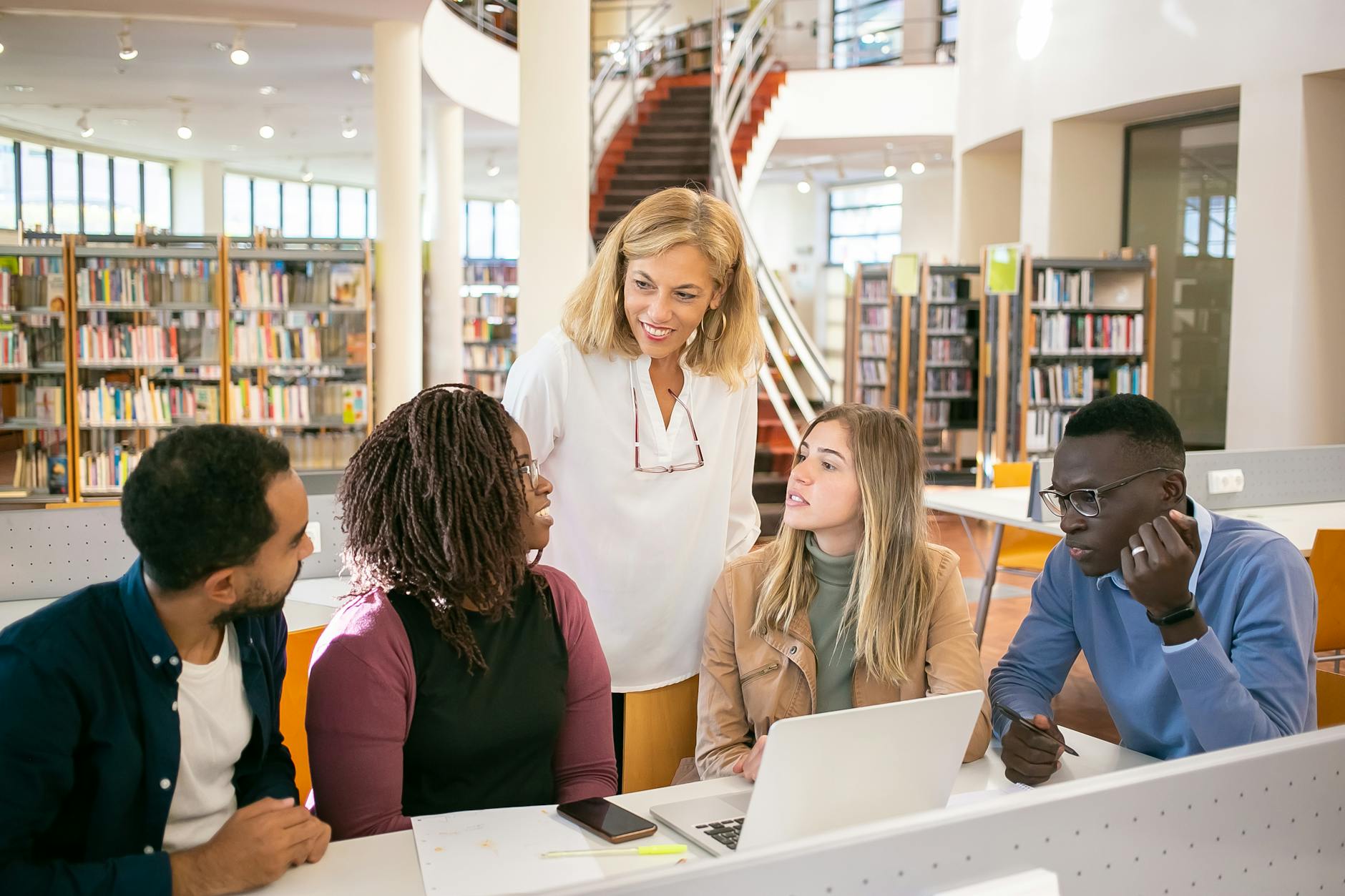
Why Australia is Embracing Individual Support Education
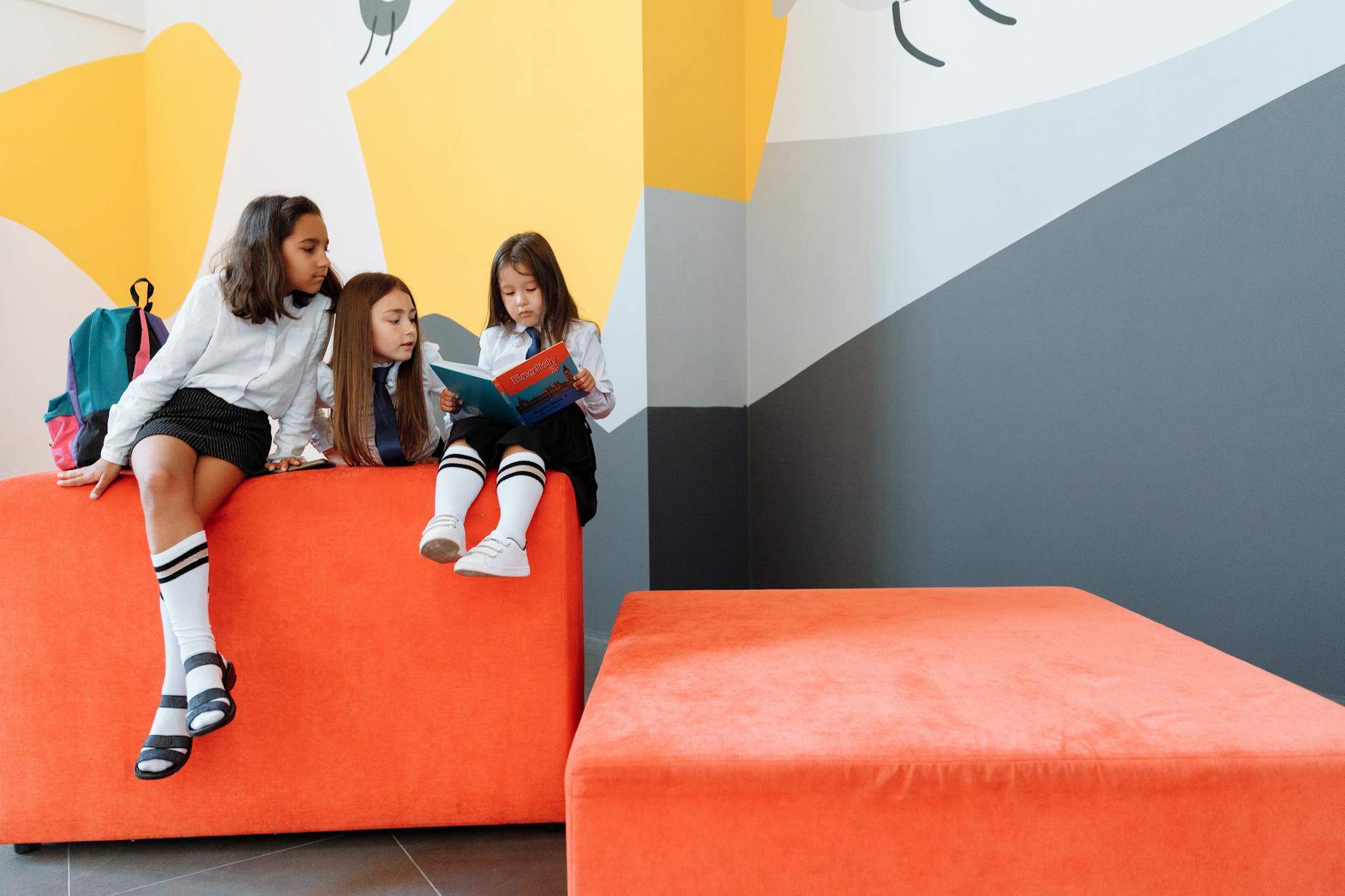
Evolution of Education in Australia
Australia's educational landscape is transforming, and our young minds are at the heart of this change. With pathways like the certificate 3 in disability and Web Development Courses becoming more prominent, learners are encouraged to explore diverse professional arenas. It's about equipping students with skills that align with evolving industry demands.
Shifting Educational Priorities
In recent years, there has been a significant shift in educational priorities to ensure they match the dynamic needs of today's society. Vocational training, such as certificate 4 in business administration, offers immediate, applicable skills, fostering both employability and a sense of purpose among learners.
Technological Influences on Learning
Technology plays a vital role in reshaping education. Virtual classrooms, interactive learning modules, and AI-driven platforms are not just futuristic concepts—they are today's reality. With such tools, students can learn at their own pace, making education more flexible and engaging.
Policy Changes Impacting Education
Policy reforms are pivotal in supporting these educational shifts. Through government initiatives, there's a greater emphasis on integrating skills that prepare students for modern challenges. When you think about Melbourne's bustling Federation Square, it's a reminder of how communities can become vibrant learning spaces, hosting youth-centric events that inspire and educate.
In this evolving educational framework, we're laying a foundation where learners are encouraged to pursue their passions and gain practical knowledge.
Rise of Individual Support Education
Personalized Learning Dynamics
Reflecting on my time witnessing the dynamic atmosphere of Federation Square, where diverse youth-focused events thrive, it's evident that today's young adults seek education tailored to their unique needs. Personalized learning is reshaping how we approach education, fostering environments where students not only thrive but excel. Certificate iii in business administration programs, for example, offer flexible learning pathways that cater to students’ individual goals, making learning a more engaging experience.
Innovative educational strategies, similar to many of the collaborative workshops at The Wheeler Centre, are pivotal. They incorporate real-world scenarios and project-based learning, enabling students to grasp complex concepts efficiently. Online platforms provide adaptive feedback, allowing learners to progress at their own pace and focus on areas that require more attention.
Integration of Technology in Education
Incorporating technology in education isn't just a trend—it's a necessity. Just as outreach activities at State Library Victoria bridge communities with knowledge, technology integrates rich multimedia resources into curricula, enhancing understanding and retention. Project management courses online, for instance, are perfect illustrations of how technology can democratise learning, offering accessible, high-quality instruction anytime, anywhere.
Technology also supports interactive and cooperative learning, making education more inclusive and engaging. Young adults are no longer passive recipients of information; they’re active participants in their education, building their skills and confidence.
Benefits for Students and Educators
Both students and educators gain from these advancements. Students enjoy personalised attention, resulting in higher engagement levels and improved learning outcomes. For educators, technological tools offer new ways to track progress and customise instructions to meet diverse student needs, streamlining the teaching process. Inspired by the collaborative spirit at The Wheeler Centre, these methods open doors to lifelong learning.
Implementing Individual Support Programs
Key Components for Success
Creating effective individual support programs requires a comprehensive approach catered to each student's needs. By drawing inspiration from successful outreach activities at State Library Victoria, we can see how collaboration and tailored resources play a critical role. An inclusive curriculum should be at the forefront, ensuring it addresses diverse learning styles and paves the way for students to achieve their goals, whether they're pursuing a certificate iv in business or another field. Furthermore, it's essential to establish an environment of constant feedback and flexible learning paths that encourage students to engage deeply with their educational journey.
Teacher Training and Development
Teachers are the cornerstone of successful individual support programs. Regular professional development sessions equip educators with advanced strategies to effectively mentor and guide students. These sessions should integrate modern techniques that resonate with young adults, such as the interactive workshops often held at The Wheeler Centre. Training should focus on blending technology with traditional teaching methods, thus encompassing various learning modalities and preparing teachers to offer comprehensive guidance to their students.
Measuring Program Effectiveness
Assessing the impact of individual support programs involves a combination of qualitative and quantitative metrics. While standardised tests provide measurable benchmarks, observing student engagement and personal growth paints a fuller picture. For example, a student's journey in acquiring a certificate iv in business administration could be tracked through both academic achievements and the expansion of their skill repertoire. Feedback loops involving students, educators, and facilitators refine these programmes, ensuring they adapt to emerging educational needs and continue to inspire learners on their personal development paths.
Challenges in Adoption
Resource Limitations
One of the most pressing challenges in the adoption of individual support education is limited resources. Many schools find themselves operating with tight budgets that make it difficult to provide the necessary tools and materials for tailored learning experiences. Restricted funding can lead to outdated technology and a shortage of teaching staff, which hampers the implementation of innovative educational programs. Those interested in boosting their careers can leverage alternative forms of knowledge acquisition, like enrolling in a Certificate 3 in Aged Care or a data analyst course.
In my experience, I've seen firsthand how creative solutions from educators and communities can bridge these gaps. Whether it's through collaborative workshops at The Wheeler Centre or outreach initiatives at local libraries, communities have a unique ability to come together to support learning.
Balancing Standardized Testing
Balancing the demands of standardized testing with personalised education is another significant hurdle. Educational institutions are often pressured to meet standardised benchmarks, sometimes at the expense of more personalised teaching methods. This creates a tension between adhering to set curriculums and nurturing students' individual needs and strengths. Schools might benefit from experimenting with innovative teaching strategies during youth-focused events and assessments at venues like Federation Square, allowing for a more dynamic approach to learning.
Addressing Diverse Learning Needs
Diverse learning needs often present a substantive challenge in individual support education. Each student presents unique strengths and challenges, necessitating diverse instructional strategies. Teachers must be adept at identifying and responding to each student’s distinct requirements, which demands ongoing training and support. By fostering an environment that celebrates diversity, education systems can evolve to better support all learners, paving the way for more inclusive, effective education models.
Transformative Prospects for Education Schools
Reimagining the Educational Landscape
In education, a revolution is brewing in Australia—a shift towards personalised learning that is not just exciting but filled with promise. Imagine attending events like those at Federation Square, where young minds gather, share ideas, and articulate a vision for a more inclusive educational system. Schools are now embracing individualised support programs, with a growing emphasis on personal growth and development. This dynamic shift acknowledges that each one of you, much like an epic melody at The Wheeler Centre, carries a unique rhythm and learning style that deserves to be celebrated and nurtured.
Building a Supportive Ecosystem
In creating an educational environment that's as vibrant and culturally rich as our beloved Federation Square, every component counts—parents, educators, and students must unite as one force to uplift each other. To navigate this transformative journey, schools focus on diverse teaching strategies, involving both in-class instruction and digitised learning tools. Through initiatives—such as education courses Adelaide the goal is to ensure no learner is left struggling in silence. Encouraging a culture of shared learning supports both academic achievement and emotional well-being. Think of the camaraderie you feel in a community outreach project at State Library Victoria—that's the spirit we need in every classroom.
Charting the Path Forward
The future doesn't intimidate us; it invigorates us. Young adults like you are at the forefront, driving change and redefining success within educational landscapes. Be the voice that advocates for innovations like individual support, pushing educational boundaries and ensuring schools offer spaces where dreams take shape. Let's continue to embrace this spirit of innovation, where personal success stories are not just celebrated but are catalysts that inspire a generation. Together, let’s transform challenges into opportunities, informing a system that's as engaging and adaptable as the youth workshops at The Wheeler Centre.